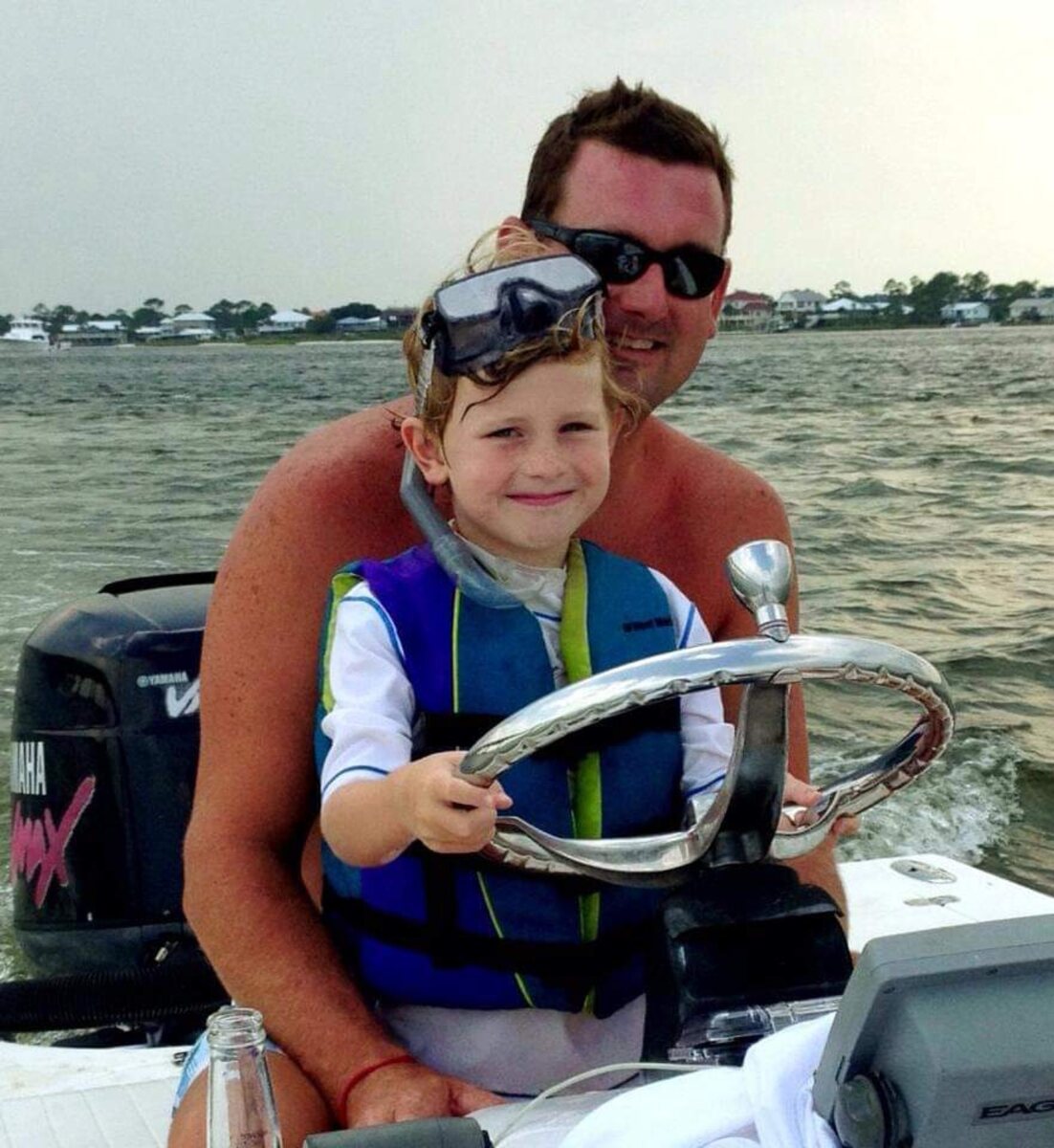
A boating-safety course teaches navigation rules, required equipment, markers, emergency response and the responsibilities that come with operating a vessel. Alabama has operator-certification requirements, and the official ALEA page is the right place to verify current eligibility, testing and licensing details.
A course cannot fully reproduce wind, current, prop walk, close-quarters steering or the pressure of a crowded ramp. On-water instruction lets a new owner practice docking, anchoring, trim, emergency stops, person-overboard recovery and local navigation with an experienced captain aboard.
Training is most useful on the owner's actual boat. Controls, visibility, handling and electronics differ widely, and family members should understand the basics even if they are not the primary operator. Ask the instructor to include the routes, marinas and situations the owner expects to encounter.
Local captains can be valuable resources for this kind of instruction. Ben Knight at Great Southern Fishing Charters and Cade or Reid Murray at Murco Charters are contacts to consider, subject to their current availability and services. Confirm the scope, credentials and insurance directly before scheduling.