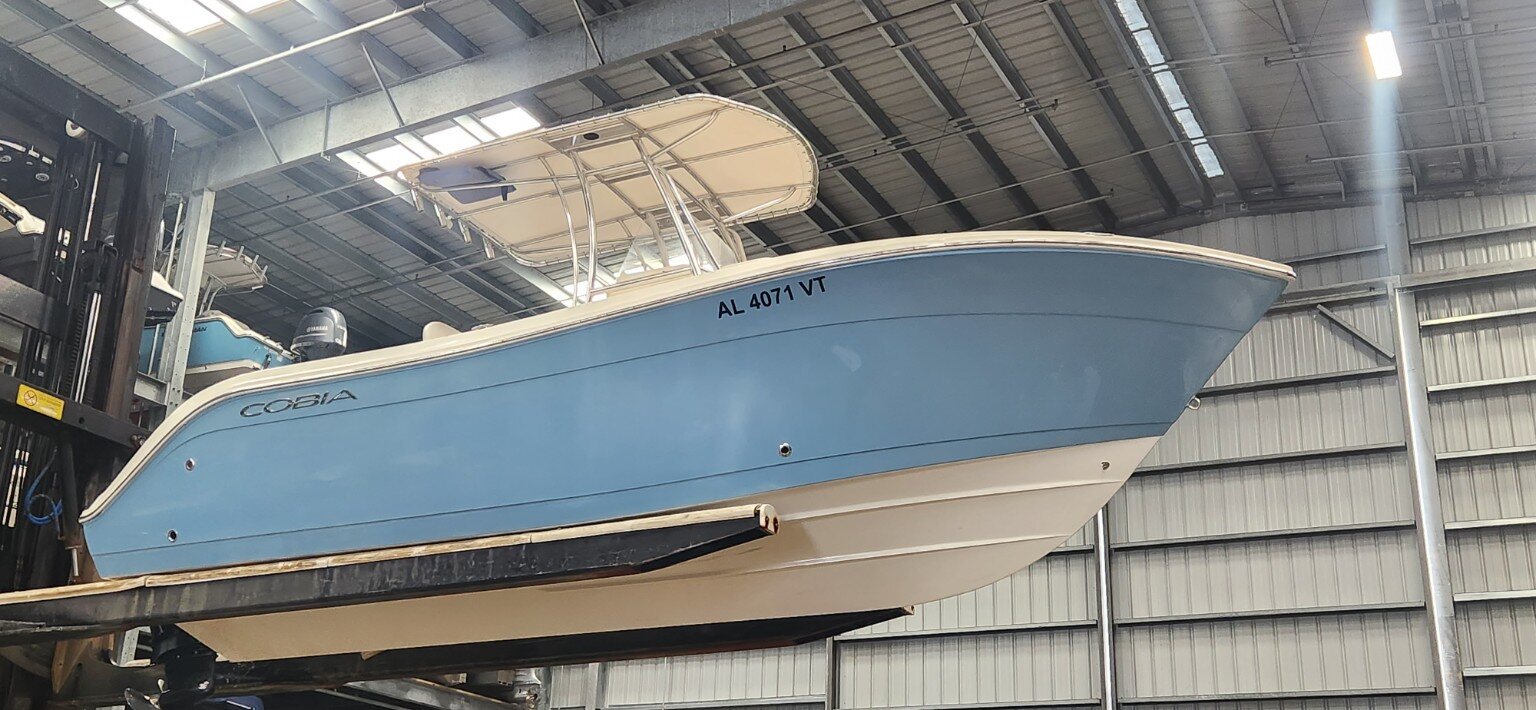
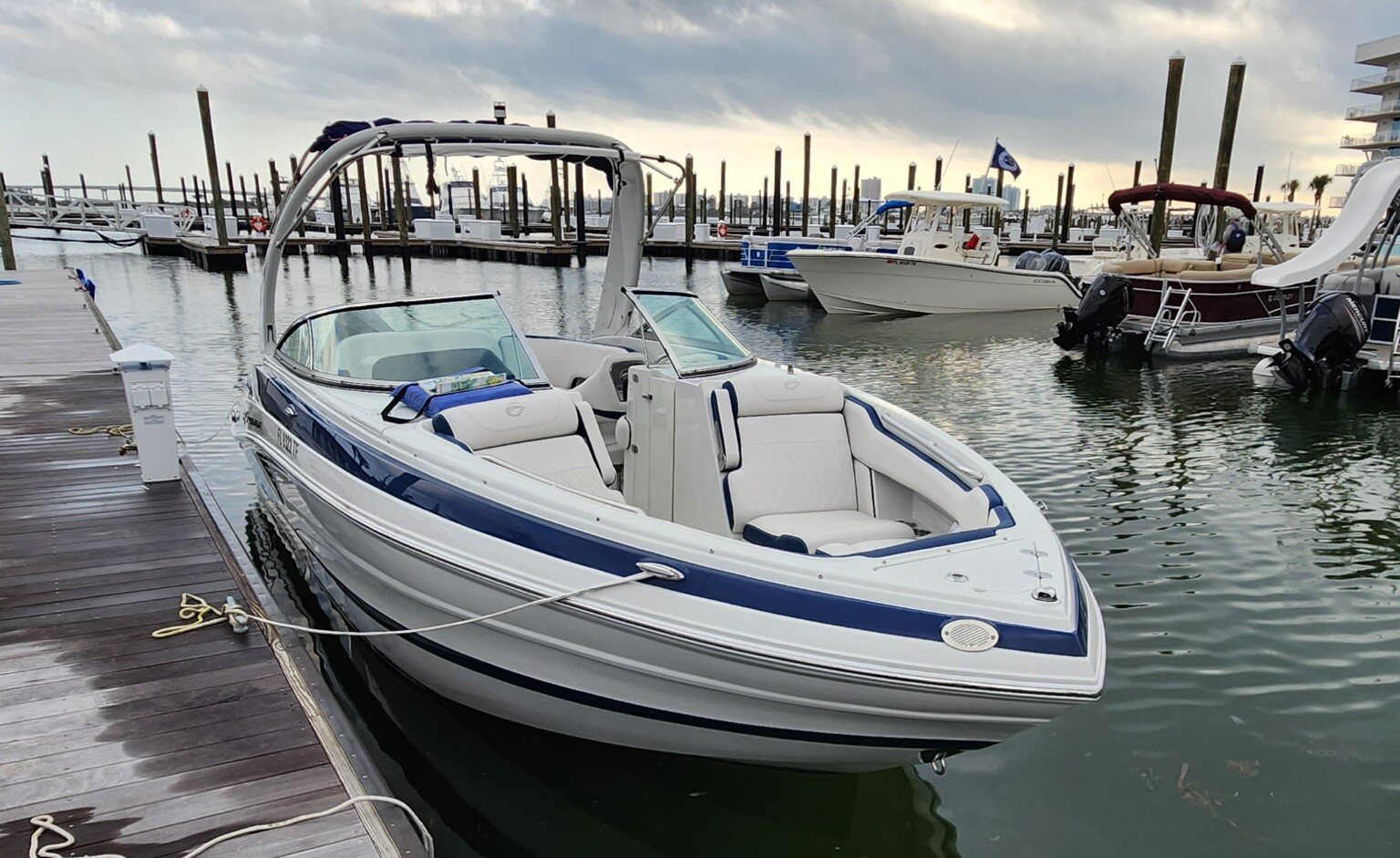
Trailering offers flexibility and keeps the hull out of the water, but it adds launch time, tow-vehicle requirements and trailer maintenance. Wet-slip storage makes spontaneous use easier, while lift or dry-stack storage reduces constant immersion. Compare access hours, storm plans, flushing, security and the total time from home to underway.
A boat kept continuously in salt or brackish water is exposed to marine growth and possible gelcoat blistering. Antifouling bottom paint can reduce growth, but the correct coating and preparation depend on hull material, prior coatings and local use. Applying paint also creates an ongoing maintenance system rather than a one-time cure.
Cleaning interval depends on water temperature, sunlight, salinity, local growth and coating condition. An unpainted hull may need attention within weeks during warm growth seasons, while a properly painted hull generally stretches the interval but still requires inspection and periodic cleaning by methods compatible with the coating. Ask a local diver what they are seeing now rather than relying on a universal schedule.
Osmotic blister repair can be extensive because the hull may need to be stripped, opened, dried and rebuilt before refinishing. Owners planning long-term wet storage should discuss barrier coatings, antifouling paint and haul-out intervals before the boat goes in. Inspect early; waiting until performance drops or blisters spread usually raises the cost.