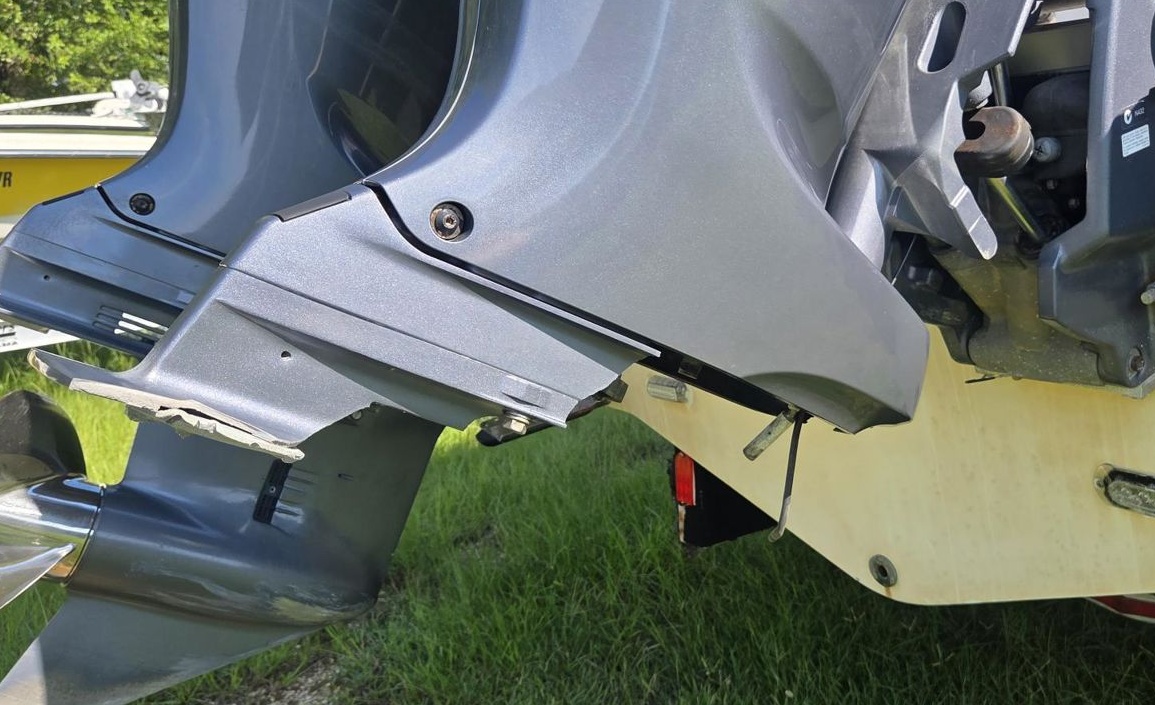
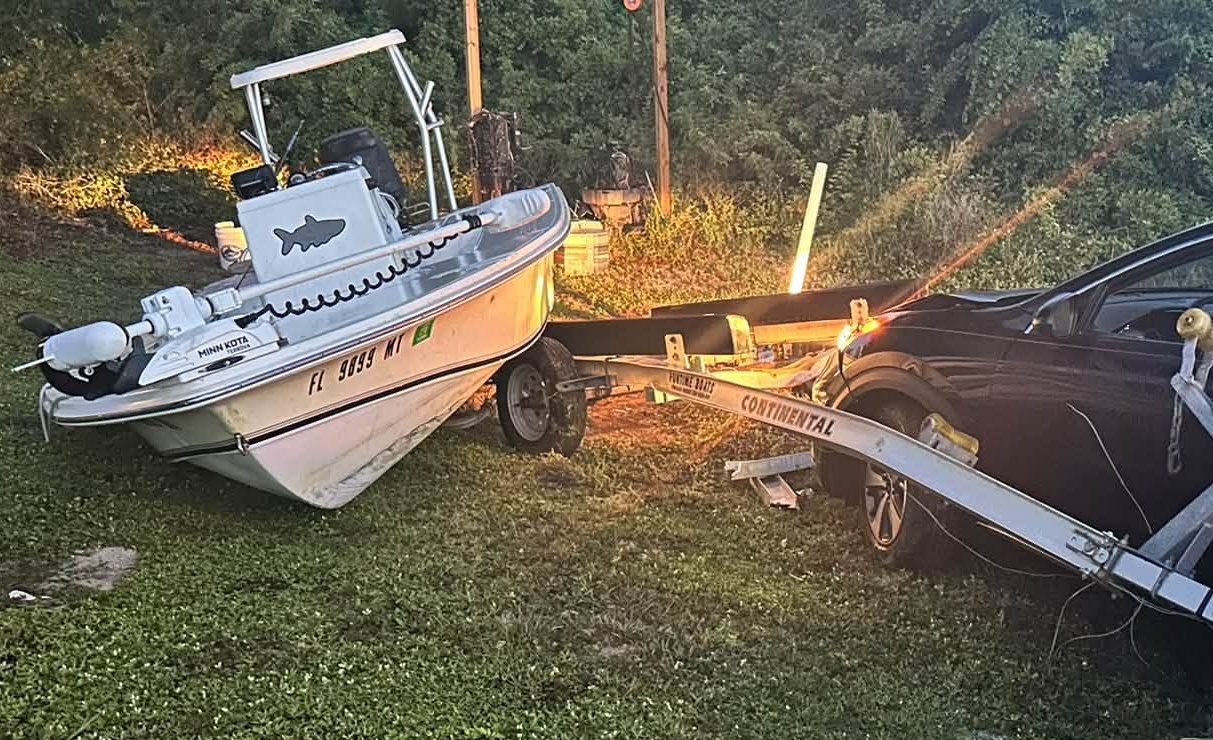
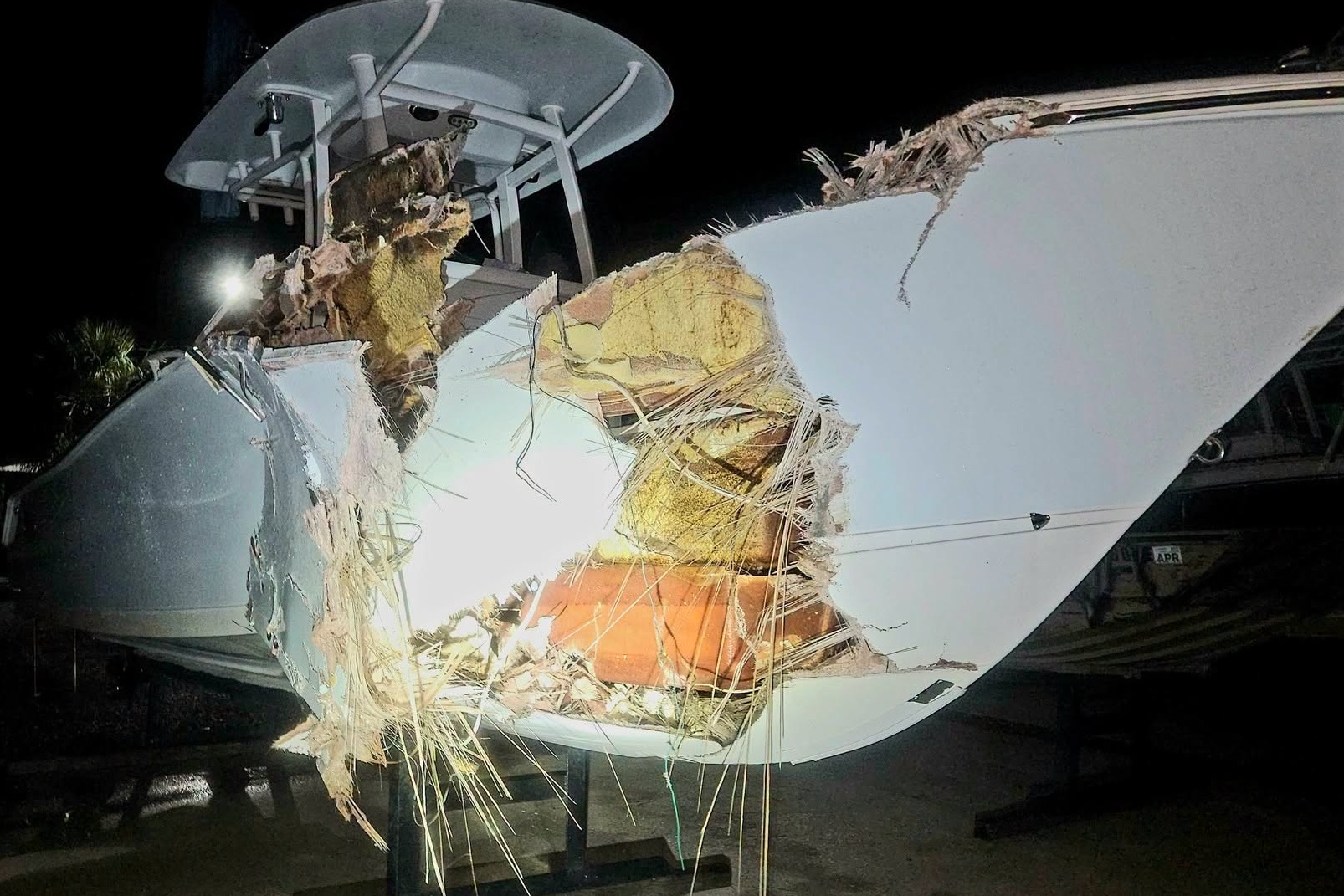
A boat accident is stressful enough without discovering that the repair estimate missed part of the damage. The best starting point is an experienced marine repair facility that can document what happened, identify the inspections needed and communicate clearly with your adjuster.
At Make Wake Marine, we handle insurance repair jobs every year. Our experience includes boats striking submerged objects, falling off trailers, sinking, contacting low power lines or limbs, and suffering electrical damage from lightning strikes. Every loss is different, but the goal is consistent: identify the full repair scope, support it with clear documentation and reduce avoidable downtime.
1. Protect people, then prevent further damage
Address injuries and immediate hazards first. Stay clear of downed power lines and boats or trailers that may be energized; contact emergency services and the utility. Do not restart a submerged engine or energize water-damaged electrical systems. Prompt professional stabilization after a sinking can be critical, so contact your insurer and a qualified recovery or repair provider immediately.
When safe, photograph the entire scene, hull, engine, trailer and damaged equipment. Save incident details, witness information, reports and receipts. Take reasonable steps to prevent additional damage, but preserve damaged parts and evidence for inspection. Make any required reports to the appropriate authorities.
2. Report the claim and involve your repair shop early
Notify your own insurer promptly, even if another party appears responsible. Ask how to proceed with that party's insurer and whether using your own coverage is an option. Liability, deductibles and recovery of those costs depend on the circumstances and coverage; fault alone does not guarantee immediate payment.
Tell the adjuster which repair facility you want to use. Before committing to nonemergency services, clarify authorization and payment for recovery, transport, a suitable replacement or rental trailer, storage, survey work and diagnostic teardown. A damaged trailer may be unsafe even when it can still roll. Get the claim number and adjuster's contact information to your shop early.
3. Choose a thorough shop and inspect beyond the obvious damage
A competent marine repair shop can inspect cosmetic damage, identify obvious structural issues and evaluate mechanical and electrical systems. Choosing a thorough shop with an aptitude for detail is important: the inspection should look beyond the most visible damage and consider how the incident may have affected related components.
A qualified marine surveyor may be needed to help detect hidden damage or assess structural concerns that require further investigation. Your shop and adjuster can help determine when that additional expertise is appropriate. The shop's inspections and a surveyor's assessment can complement each other in establishing the full repair scope.
The inspection plan should follow the incident. After an underwater strike, checks may include the propeller, shaft, gearcase, mounting and steering systems, plus lower-unit pressure or vacuum testing as appropriate. A sinking, lightning strike or power-line contact calls for a different scope, including affected wiring, batteries, charging systems, pumps, controls and electronics. Not every component failure will be visible from outside.
Running an outboard on a hose does not establish that it performs properly under load. When safe and appropriate, operational testing should include cooling, shifting and engine performance in a suitable test tank or sea trial. The technician should select the tests needed for that boat and incident.
4. Build a documented repair plan before work proceeds
A useful estimate separates inspection and teardown, parts, labor, outside specialists, transport and final testing. Photos, measurements and diagnostic findings help the adjuster understand why each operation is needed. Deposits, payment timing, storage charges and any documentation or administrative charges should be disclosed up front; insurer reimbursement must be confirmed.
The owner's repair authorization and the insurer's coverage approval are separate decisions. For nonemergency repairs, get the approved scope and your expected out-of-pocket costs in writing before proceeding. If teardown reveals additional related damage, the shop should document it and submit a supplemental estimate before doing that additional work. A supplement is a normal possibility, but approval is not automatic.
5. Understand the settlement before accepting it
Ask how the insurer calculated the value of the boat, engine, trailer and accessories. Your own policy may use agreed value, actual cash value or replacement-cost provisions, with different treatment of depreciation. A claim against another party's insurer can follow different rules. A new replacement trailer is not automatically owed simply because you were not at fault; support any disagreement with comparable equipment, specifications and written replacement quotes.
If the boat is declared a total loss, ask for the valuation and deductions in writing. Before retaining the damaged boat, understand the salvage deduction, lender requirements, any applicable title or registration consequences, future insurability and resale implications. Do not sign a final release until you understand what it settles and how unresolved damage will be handled.
6. Verify the repair before delivery
Review the completed work and test results with the shop. Where appropriate, arrange a sea trial with the technician to check engine performance, shifting, steering, charging and affected systems. Report unresolved concerns promptly. Additional damage can sometimes be considered later, but finding and documenting it before delivery or final settlement is usually a better position.
An experienced repair partner in your corner
Make Wake Marine helps boat owners document damage, develop a thorough repair plan and coordinate the repair scope with adjusters and surveyors. Our role is to explain the technical findings and support the work needed to repair the boat properly. Coverage and settlement decisions remain with the insurer.
If your boat has been damaged, contact Make Wake Marine in Fairhope through makewake.org before arranging nonemergency repairs. We serve Baldwin County and the nearby Pensacola area. Share your photos, incident details and claim information so we can discuss the next steps toward getting you back on the water.
General repair-process guidance. Coverage, reimbursement and settlement terms depend on the policy, facts of the loss and applicable law.