Check cold tire pressure against the trailer tire and load requirements, not a passenger-car habit. Inspect tread, sidewalls, valve stems and tire age, including the spare. Confirm lug-nut torque with the correct specification and carry a jack and wrench that can safely handle the loaded trailer.
Bearing systems vary. Greaseable hubs need the correct lubricant and procedure; sealed or oil-bath systems have different inspection needs. Look for leaking seals, water contamination, looseness and heat. After the first few miles, a cautious hub-temperature check can reveal a dragging brake or developing bearing problem.
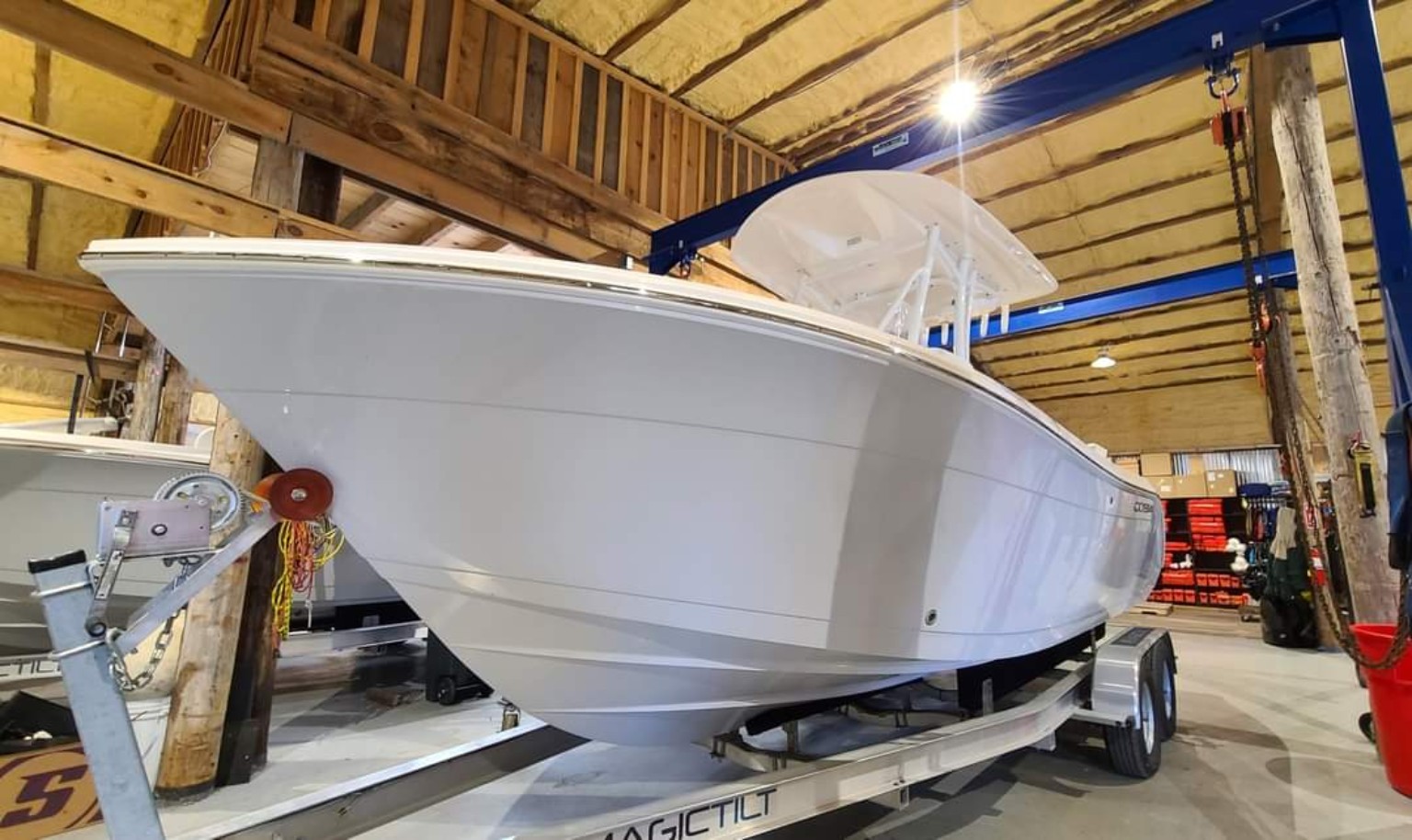
Test running lights, brake lights and turn signals, then inspect wiring and the plug for corrosion or chafing. Check the coupler, safety chains, breakaway system, winch, bow strap and stern tie-downs. A faded or frayed strap is inexpensive compared with the damage caused when it fails.
Bunks should be solid, correctly aligned and covered without exposed fasteners. Replace rotten wood, torn carpet and loose brackets before they damage the hull or fail at the ramp. Rinse brakes and hardware after saltwater use, follow the axle and brake manufacturer's schedule and document service so age-related items are not forgotten.