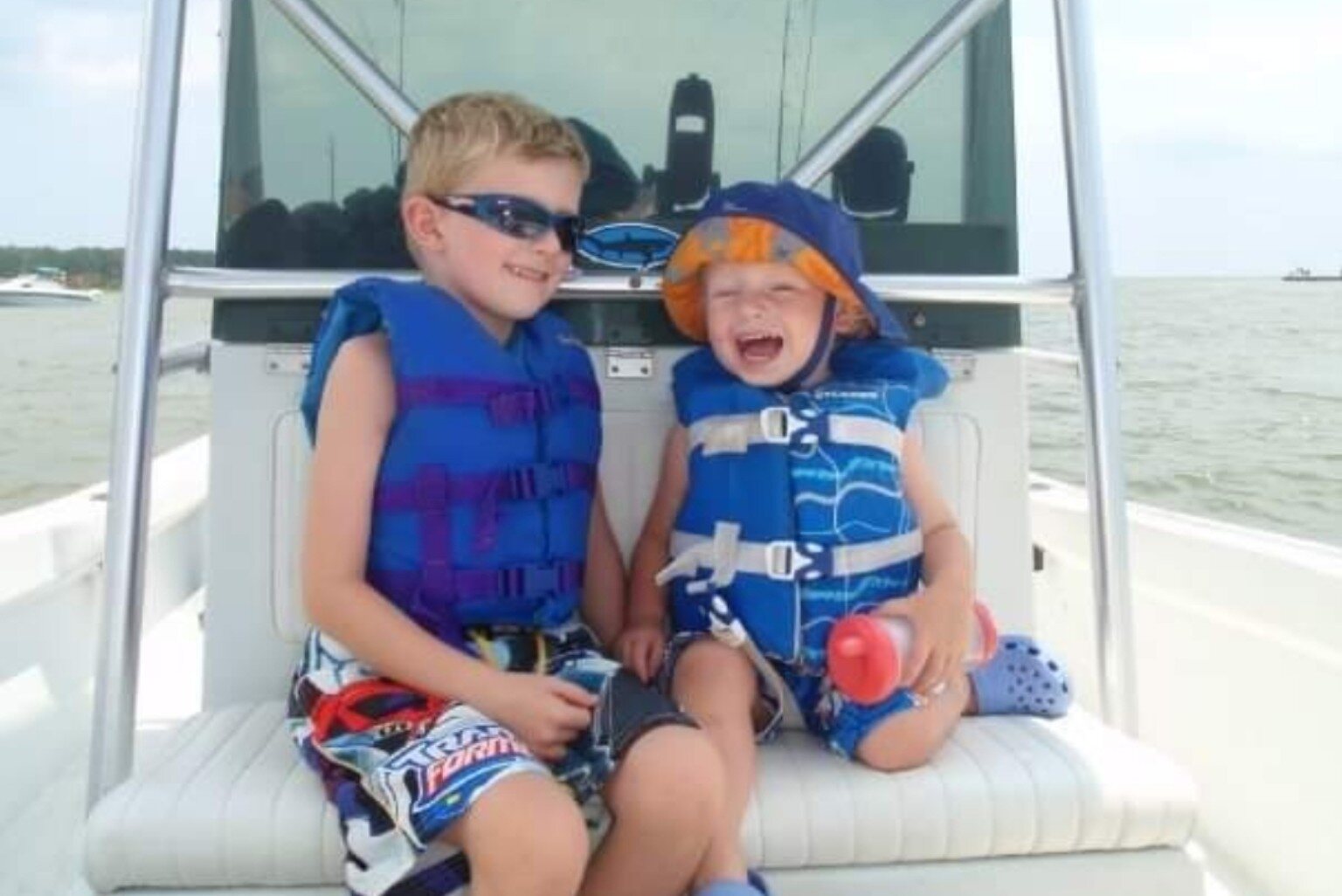
Begin with the people aboard. Carry a properly sized, serviceable wearable life jacket for every person and make sure children meet current wear requirements. Alabama and federal rules also require other equipment based on vessel length and use, including items such as a throwable device, fire extinguishers, sound signal, navigation lights and visual distress signals.
Walk through the boat before launch: drain plug installed, fuel adequate, batteries secure, bilge pump working, steering free, propeller clear, lines and anchor aboard, and loose gear stowed. Test navigation lights even if the plan is to return before dark. Verify registration, charts or navigation tools and a working communication method.
Brief passengers on life-jacket locations, engine shutoff procedures, fire extinguishers and how to call for help. Assign one capable person to understand the basic controls in case the operator becomes unable to drive. File a float plan with someone ashore and include the route, passenger count and expected return.
A checklist should fit the actual boat. Add trolling-motor batteries, livewell systems, tow-sports gear or offshore equipment as needed. Use the ALEA and U.S. Coast Guard guides to verify legal requirements; a vessel-safety check is also a useful way to find gaps before enforcement or an emergency does.